
Pre-K Program
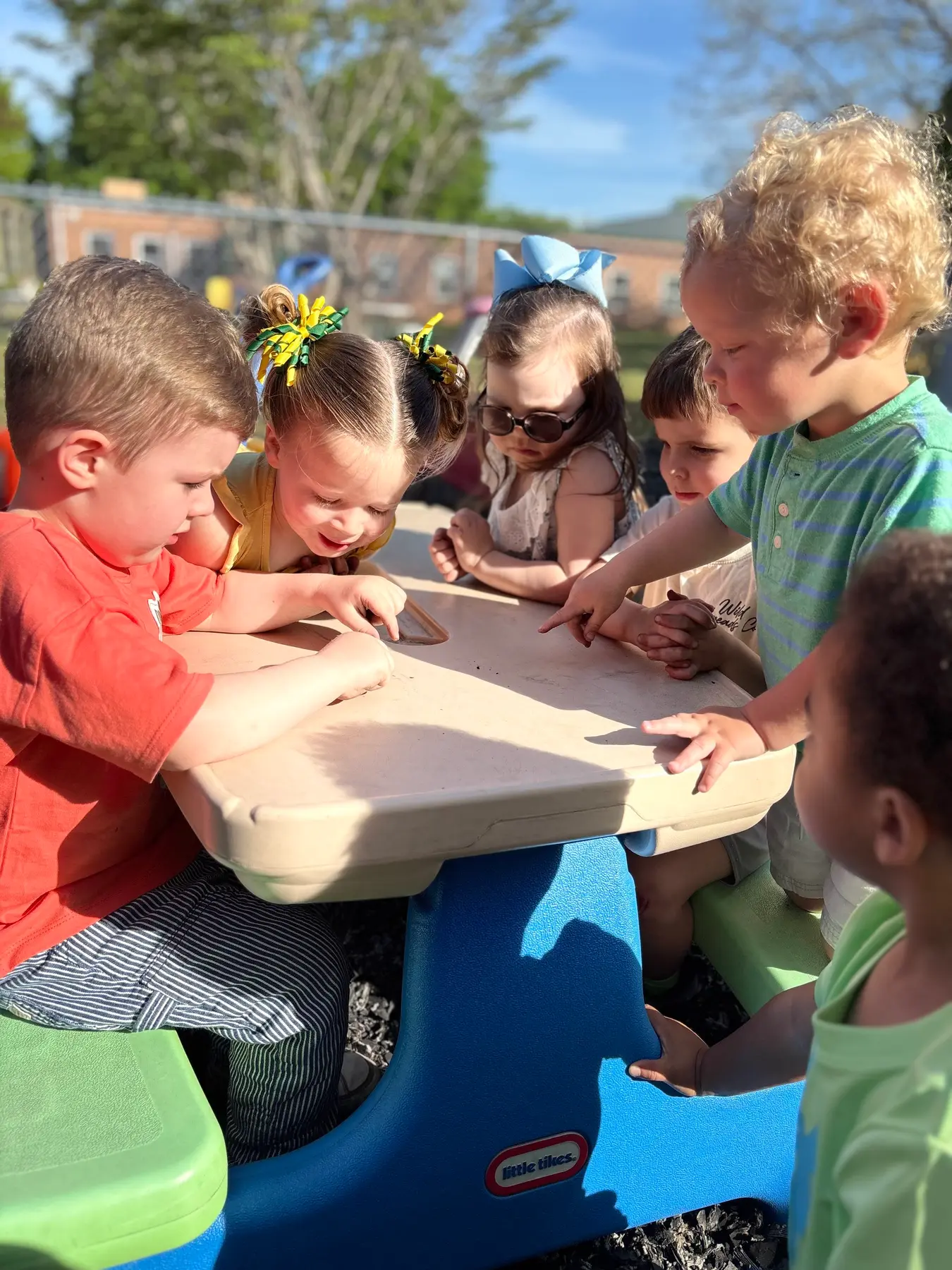
In pre-K, children play, listen to stories, and learn to share and take turns with friends.
Explore Pre-K ProgramThis finished website is ready. Pick the monthly plan you want and activate it without scheduling a call.
We run your website for you.
We run your front desk for you.
We run your front office for you.
You'll be taken to secure card checkout (Stripe). The website, hosting, and owner portal activate automatically after payment. Texting switches on once the carriers approve your registration, usually 1–2 weeks. See everything in each plan →
Your website is saved. Please try secure checkout again in a few minutes — no call is required.
Your owner account is being activated and the clean production version is publishing automatically. Watch your email for the portal invite.
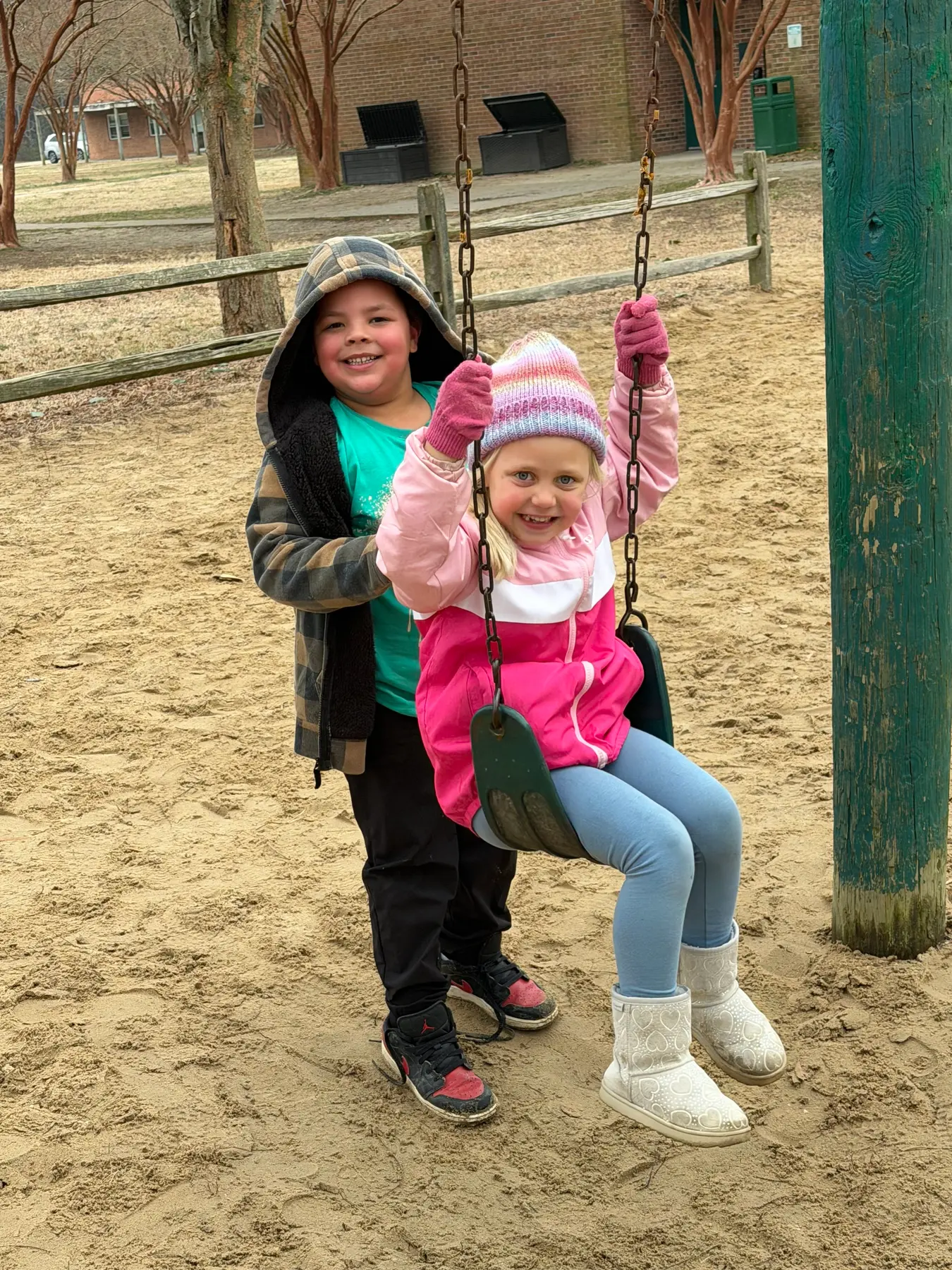
Broadwater Academy is the premier learning community on the Eastern Shore of Virginia for pre-K - 12 education.
Request a visitChildren move up room by room as they grow, from pre-K through Grade 12.
In pre-K, children play, listen to stories, and learn to share and take turns with friends.
Explore Pre-K Program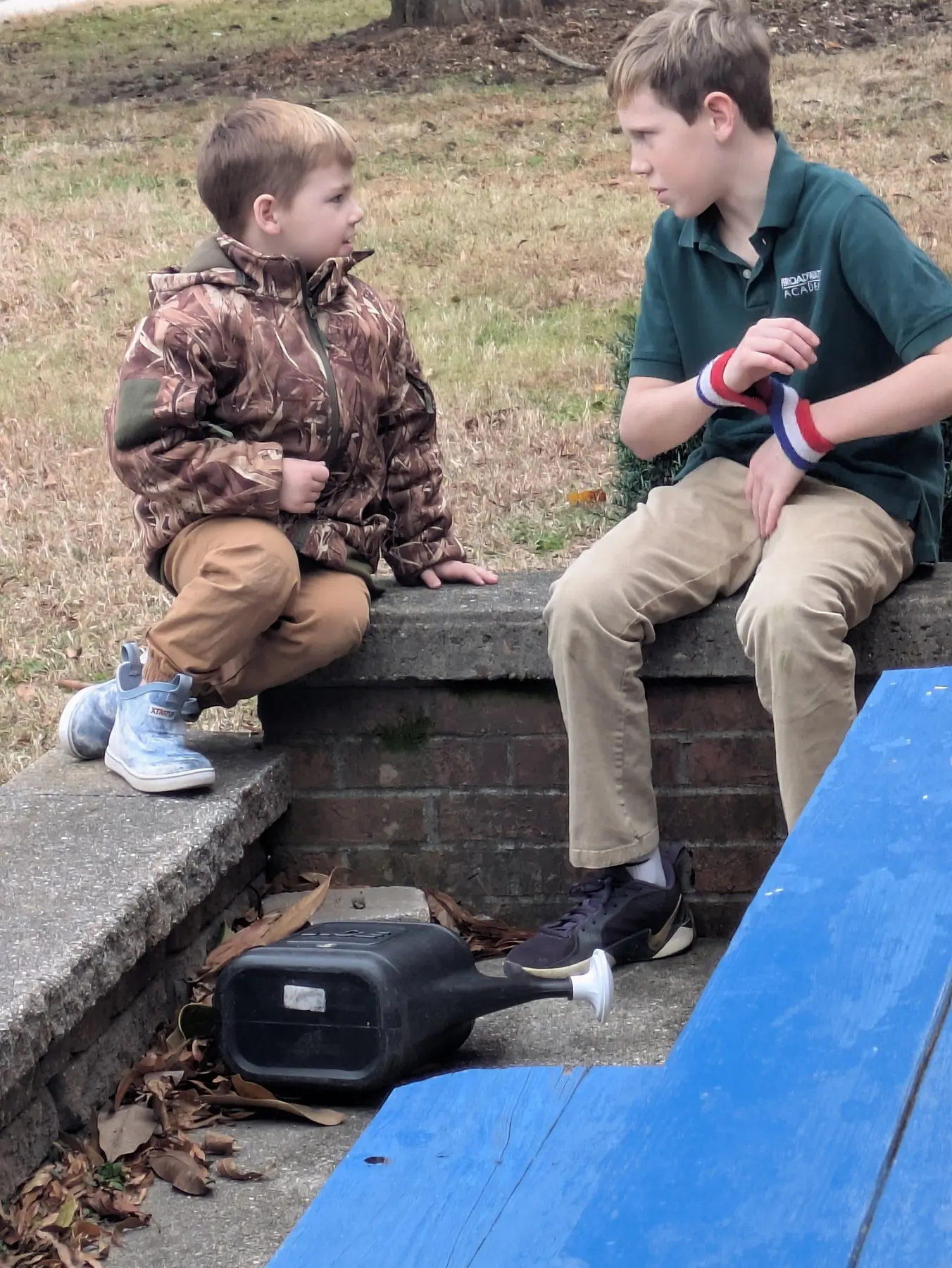
Lower School children build reading, writing, and math skills, and take part in art and music.
Explore Lower School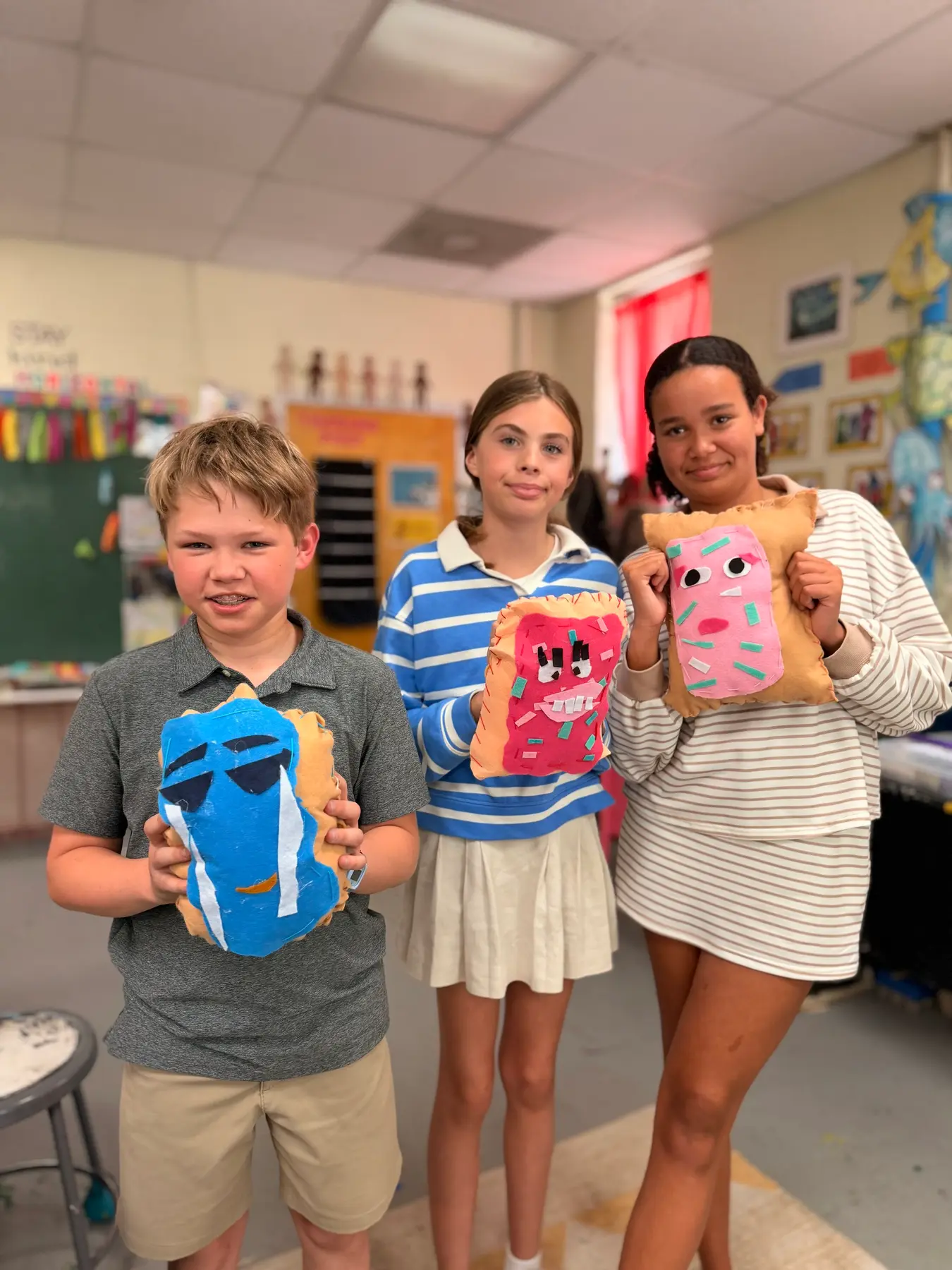
Middle School students move between subjects, join clubs, and begin to choose how they spend free time.
Explore Middle School
Upper School students take on advanced coursework, prepare for college, and lead clubs and teams.
Explore Upper SchoolBroadwater Academy sits on the Eastern Shore of Virginia, teaching pre-K through grade 12 under one roof. The school pairs a challenging curriculum with talented instructors and a diverse student body. Children here grow into respectful, civic-minded leaders and productive citizens.
Early classrooms are set up in zones: a rug for stories and songs, low tables for art and puzzles, shelves children can reach themselves. The day moves in a steady rhythm of group time, quiet play, outdoor running, and lunch. Teachers sit at eye level and talk with children, not at them.
Visitors often notice how much of the day children spend doing things with their hands and with other children rather than listening only. Teachers ask questions and wait for answers. Art projects hang on the walls, and older students help younger ones in the hallways. Boarding students live in a house off campus with a host parent, where meals are home-cooked or brought in.
Breakfast is served from 7:15 to 7:45, and children come in and find their seat. A teacher helps with coats and bags, and a child may put a comfort item in a cubby before the day begins. Talk to the teacher at the door about how your child slept and ate, and that news goes into the room with them.
Classes start at 8:10, with group time, small-group work, and play in between. Children eat lunch, rest or nap, and go outside when the weather allows. Rooms usually hold a quiet corner, a place to build, and a table for art. Children wash hands, help set out mats, and learn to wait a turn.
In the afternoon, children finish projects and tidy the room before they gather their things. After school, older students head to sports, rehearsals, club meetings, or studying until 6:00. Parents pick up at the end of the day and hear what their child did, ate, and rested. Ask your child's teacher what was hard and what went well.
At pickup, a teacher can tell you what your child ate, how they napped, and who they played with. Parents use the ParentsWeb resource page to keep up with notices and billing, and questions go to the office or the room teacher. Ask early and often. It is the fastest way to stay in step with your child's day.
Starting somewhere new takes time, and children settle at their own pace. For the first weeks, teachers watch how a child joins a group and when they need quiet. Families can ask about volunteering or coming in for a short visit. If you want to talk over how the drop-off is going, call the office or email communications@broadwateracademy.org.
Call (757) 442-9041 or email communications@broadwateracademy.org. Tell us your child's age and which days you need, and we will explain what comes next and how to apply.
See the classroom your child would join and meet the teachers who run it. Ask them anything you want to know about the day.
Complete enrollment and plan a first week that suits your child's routine. We will help you pick a start date that works.
Breakfast 7:15 AM – 7:45 AM.
Children from pre-K to 12.
Yes. A tour is how most families decide, and children are welcome to come along.
Most families pack a spare set of clothes, a comfort item, and anything that needs a label. Bring a water bottle and weather-ready outerwear for outdoor time. The office will tell you what your child's room asks for.
Schedules depend on your child's age group and on what is open at the time. Call the office to ask what is available for your child.
If there is no place right now, you can ask to be told when one opens for your child's age. We cannot promise a date, but we will keep your details on file.
Bring your child along on a tour; they can see the classrooms and meet teachers.
Request a visit